
The Narrator's War Against the Community
Die, My LoveThis conflict flow follows the narrator's aggressive skirmishes with nurses, cashiers, neighbours and crowds as she tries to survive the village.
increasing Bearing strength in each event
 decreasing
Bearing strength in each eventdecreasingThe Snarl at the Nurse

The Snarl at the Nurse
Context
The narrator takes out the rubbish at seven in the morning and sees the plump home-care nurse arriving for the sick neighbour. She gives her a look of disgust and snarls back.
Turn
She raises her voice and takes a few steps toward the nurse, prepared for a fistfight. The nurse shrinks back, thinking the narrator is a refugee from a war-torn country.
Aftermath
The narrator enjoys the nurse's fear. The scene is a small victory in her war against the civility of the village.
The Scenes in Public

The Scenes in Public
Context
The narrator acts haughty with supermarket cashiers, pizza delivery men and manicurists. She likes to humiliate them in public and show them how cowardly they are.
Turn
No one tries to fight her or calls the authorities. She thinks they are right, that she is the one looking for trouble.
Aftermath
Her public aggression is a performance of her own collapse. She picks fights because fighting is the only way she feels awake.
The Doll in the Car
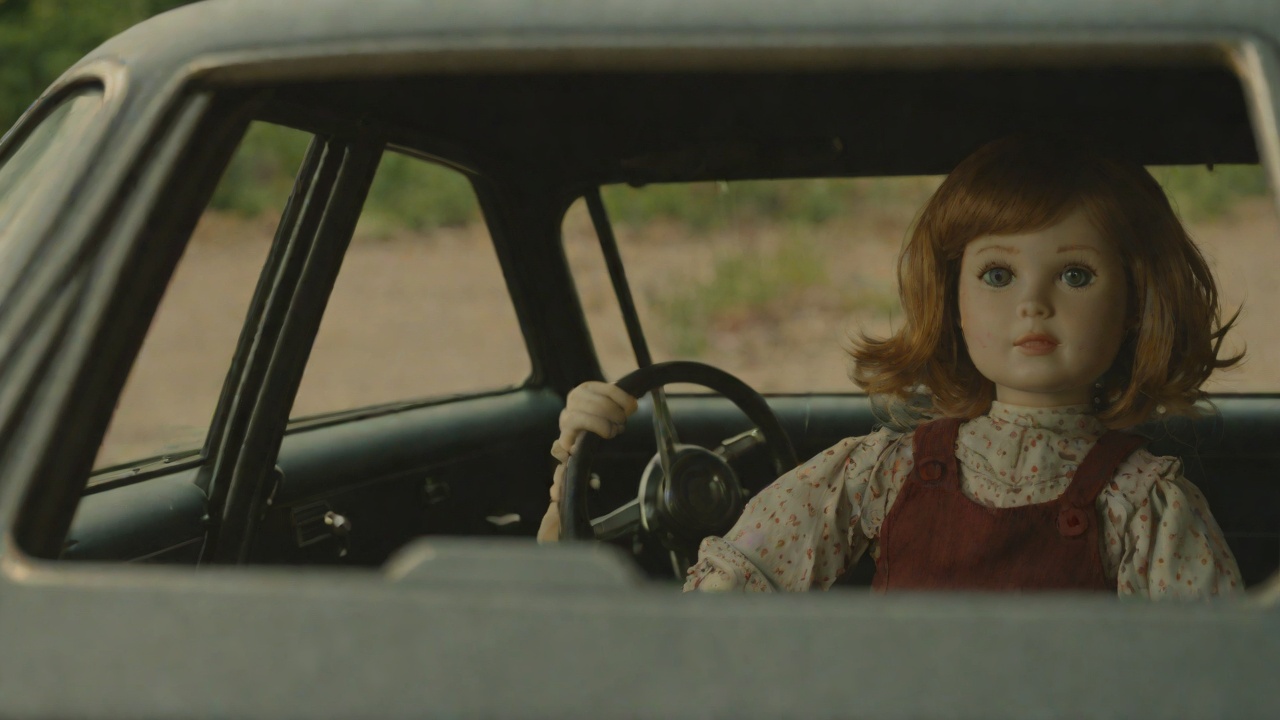
The Doll in the Car
Context
The narrator leaves a plastic doll on the back seat of the car and waits for alarmed neighbours and state employees to come running. The fire engine arrives with its siren sounding.
Turn
She loves watching them react like good citizens and heroes, ready to smash the window and save the little one. She says if she wants to leave her baby in the car, she will.
Aftermath
The stunt turns her into a public enemy of maternal norms. The community's moral outrage is exactly what she wants to provoke.
The Road with a Suitcase

The Road with a Suitcase
Context
The narrator stands in the middle of the road with a straw hat and a suitcase, while bikes, lorries and lame dogs dodge her. Neighbours beep and swear, afraid of police and lawyers.
Turn
She waits for a call that never comes. Her son's toy car, vroom vroom, could suddenly run her over, and everything is one big distortion.
Aftermath
The road becomes a stage of refusal. The community sees her as an obstacle, but she is testing whether anyone will stop and notice her.
The Beach Crowd

The Beach Crowd
Context
On the beach, the narrator punches her husband after seeing his unexplained erection. The cloud of children freezes, then begins to bawl, and mothers rush over to cover their eyes and ears.
Turn
The lifeguard intervenes, and the crowd begins a stream of obscenities. The husband throws the narrator to the lions and carries the son away.
Aftermath
The beach crowd gives the narrator the verdict the village has been saving: she is crazy, violent, unfit. The public nature of the scene leaves her completely exposed.
a morning when the husband is away
during the same period of the husband's absence
a summer day when the husband is away
after a weekend fight, in the morning
during the family trip to the sea
